Preparation for the Field
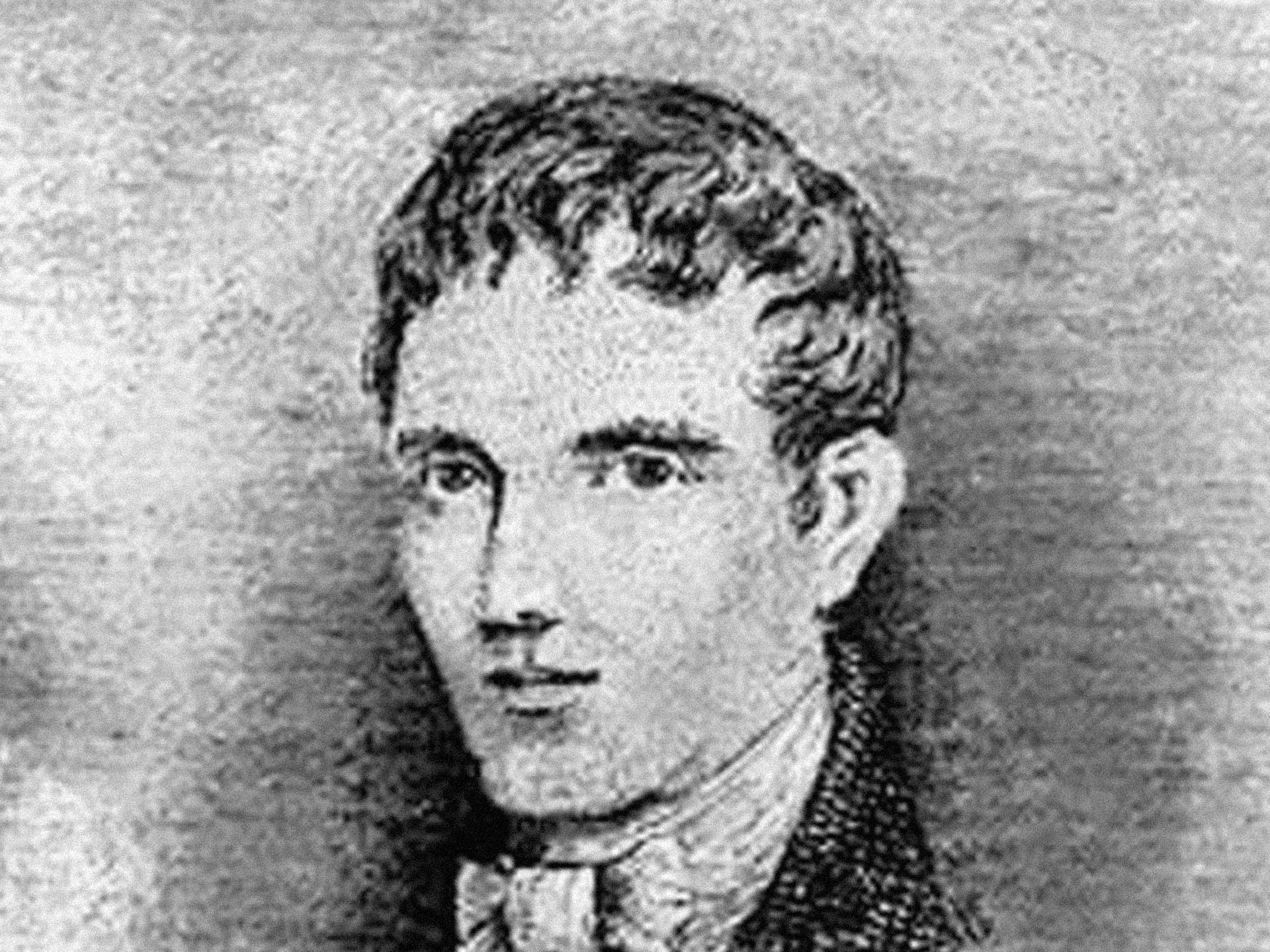
George Dana Boardman’s life was short, but one full of excellence and dedication. Born in Livermore, Maine on February 8, 1801, Boardman was the third son of Rev. Sylvanus and Phoebe Boardman. As a child, he was obsessed with books and often would hide his physical ailments from his parents so they wouldn’t stop him from going to school. During all stages of school, Boardman excelled beyond expectation at academics. Eventually, he became a teacher and was known for his keen knowledge and ability to command rule in the schoolroom.
Boardman, eager for personal education, attended Waterville College in Maine and was the school’s first graduate in 1822. During his time at Waterville, he was not particularly religious. He was easily affected by religious practices, but couldn’t think of himself as deserving of salvation. Boardman wrote about this period of life, “I could discover a Savior for everybody but myself.” After lengths of doubt and avoidance, Boardman finally found evidence of the hope that lies within and professed Christ on July 16, 1820. He served as a tutor for a year at Waterville.
Upon the news of the death of a missionary to Burma, India, Boardman was struck with the burden to go to Burma (modern day Myanmar) and serve instead of continuing down the track of school leadership. The idea of being a missionary never left him. He applied through the Baptist Board of Foreign Missions and was quickly accepted. In his journal, Boardman speaks about his call to Burma and cries, “There may I live, labor, and die.”
However, though he longed to leave right away, he and others decided it was best for him to continue his education at Andover Theological Seminary. On February 16, 1825, he was ordained as a Baptist minister in North Yarmouth, Maine.
His departure to Burma drew closer. He wanted to find a companion and helpmeet for his ministry. Boardman married Sarah Hall on July 4, 1825. Sarah seemed to have an inclination to missionary life, even before she met her husband. She was deeply religious and studious, a perfect match for Boardman. They loved each other deeply during their marriage.
Mission Work in Burma
On July 16, 1825, only a few weeks after their union, the newlyweds set off for Calcutta. They arrived on December 2. Boardman set about learning the Burmese language. When they arrived, Burma was at war and missionary endeavors had been paused. So the Boardmans waited with the other Baptist missionaries while they studied.
He began his work in Maulmain, Burma and established a mission which would become the center for Baptist mission work in the region. He and Sarah founded schools for boys and girls and oversaw the education. Already, the Gospel was flourishing. Boardman writes in his journal, “How delightful to unite with those who were once involved in all the darkness of paganism, in commemorating the grace of Him who hath called us out of darkness into his marvelous light.” Boardman invested time and interest in his students, instructing them in academics and religion. Both he and his wife took care of the children like their own.
While there was fruitfulness at Maulmain, the Board wanted to expand the missionaries’ reach. Boardman was elected to found a mission station in Tavoy, a town that had about 9,000 inhabitants. In April 1828, he traveled to the region and discovered the natives, called the Karens, didn’t have any written language. Boardman also discovered that the Karens were largely atheistic and had no religion or were in the stronghold of the pagan idolatry, Gaudama. Soon after, he baptized Ko Thah-byoo who had accompanied them from Maulmein. This man was a zealous evangelist of his own people, aiding Boardman in the mission. Together, they worked to evangelize the Karens, people who lived in the forests and mountains of Burma. The Karens were ripe for the Gospel and Boardman experienced many converts coming to Christ during his short time among them. Karens came out the jungle, pleading with him to come back to their villages to baptize them. He often travelled into the forests and jungles to instruct and encourage those hungry for the Word. Boardman also had plans to erect native schools which he would oversee. Sadly, he did not live long enough to see his dream fulfilled.
Last Moments and Legacy
Boardman’s illness was going downhill. The missionary work was flourishing, but it took a toll on his already weak health. The last recorded writing from him includes this prayer: “My health and life, and those of my family and friends, I commit to our gracious God for the ensuing year, praying that he will dispose of us all as shall most promote his glory and the good of our souls.”
Boardman was so feeble, yet the Karens wanted him to visit their villages one last time to baptize them. His wife urged him on the journey to turn back, but she related in a letter to his parents where his heart was as death was nearing: “…should we go home now, the all important business which brought us out must be given up, and I might linger out a few days of suffering, stung by the reflection, that I had preferred a few idle days, to my Master’s service. Don’t therefore ask me to go, till these poor Karens have been baptized.” He was carried through the jungle on a cot, and lay on it by the riverside while he watched his friend, Francis Mason, baptize more than 50 individuals in the river before sunset. Mason writes in a letter, “After this, he seemed to feel that his work was done; he had said in the course of the day, that if he could live to see this ingathering, he could in special mercy say, Lord, now lettest thou thy servant depart in peace, for mine eyes have seen thy salvation.”
The next day, February 11, 1831, as the group of missionaries journeyed home, Boardman died on his cot, with his wife nearby watching over him. He was 30 years old. His body traveled the rest of the journey to Tavoy and was buried next to his infant daughter. His son, who was still very young, was named George Dana Boardman after his father and continued in his father’s footsteps as a preacher in America.
Boardman was loved and admired by all as a minister of Christ who desired to see the lost come to faith. He was so devoted to this call that he died in the active service of his Lord.