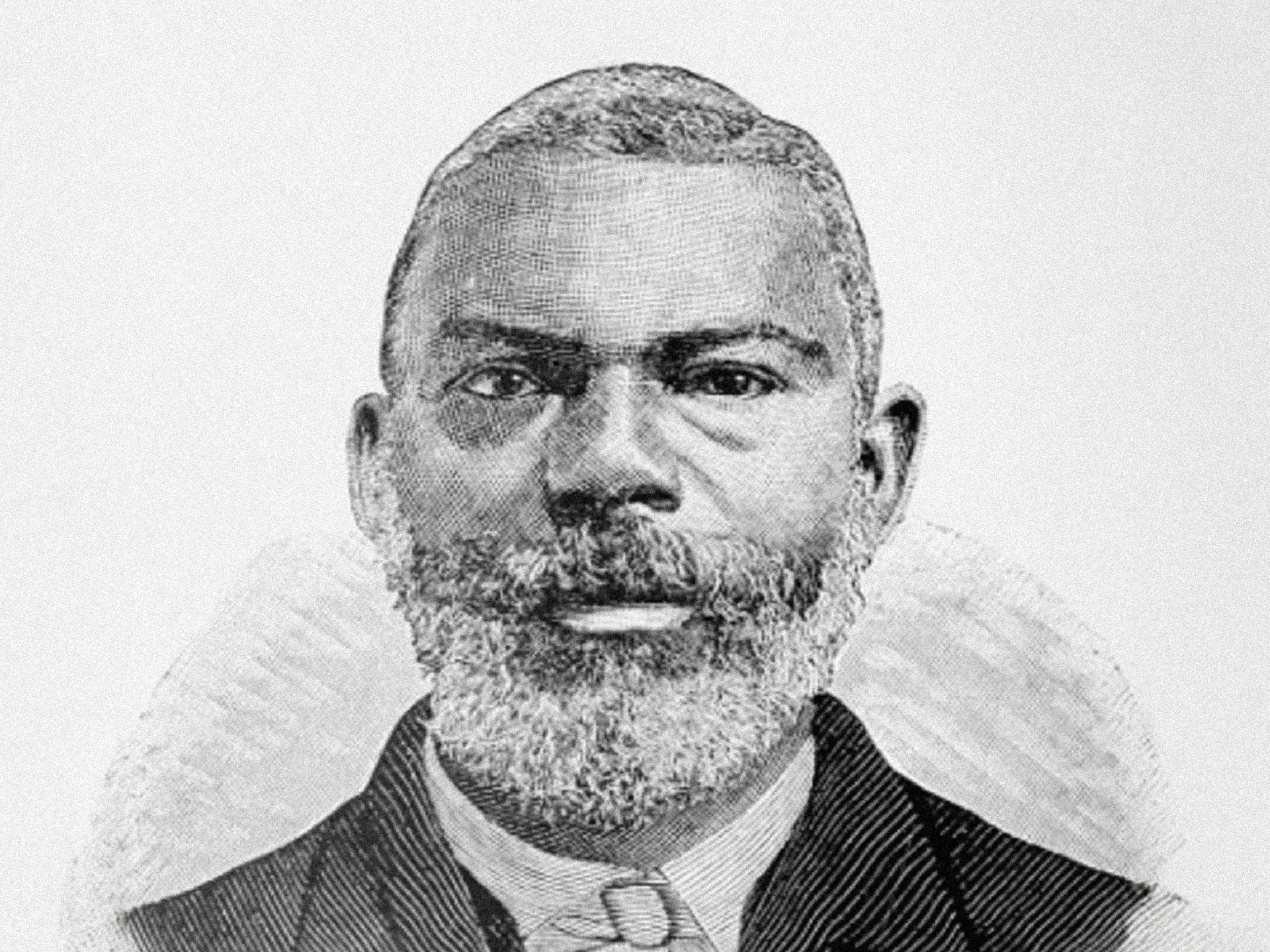
The United States boasts of a very rich history of missionaries. Early English settlers evangelized to Native Americans. Later, Christians planted churches among the colonies. Not many people know, however, that one of the very first missionaries to go out into the world from America was a freed African slave.
Born on a plantation in 1752 Virginia, George Liele was soon sold to Henry Sharp, who took him to Georgia. He knew very little about his parents, except that his father had a reputation for being “the only Black Christian” in the south. Perhaps this legacy instilled some curiosity in Liele’s heart, because he soon started attending church with his master, a Baptist and British loyalist.
In 1773, Liele became a Christian, and it was Rev. Matthew Moore who taught him the principles of the faith. The slave continued to attend the majority-white church, receiving discipleship and mentoring. Soon, the Baptist congregation decided to license Liele to preach, and he became the first ever Black Baptist preacher.
Sharp encouraged him to preach to other slaves and soon, he granted Liele freedom for the purpose of his preaching full-time. He traveled to evangelize to slaves in Savannah and South Carolina.
As the revolutionary war intensified, Sharp joined British forces, but he was soon killed in battle. Sharp’s children tried to re-enslave Liele, and since British troops protected escaped slaves, he (along with his young wife) moved to occupied Savannah.
There, Liele organized a Baptist congregation of ex and current slaves. This church, located just twelve miles from Augusta, Georgia, is known as the first ever all-black church in America. The church continued to grow, and soon there were at least 350 members in attendance every week.
However, as the British began to lose the war, the military began to evacuate freed slaves to Nova Scotia, intending to rid the revolutionaries of their work force. Instead of following them to Canada, Liele traveled to Jamaica alongside a British colonel whom he had befriended. In exchange for the cost of his passage, Liele agreed to work for the Colonel for two years.
At the time, Jamaica was a slave society under British colonization, and Liele desired to plant a church on the island. In doing this, he, an ex-slave, became one of America’s first ever missionaries!
After two years of labor, Liele’s church had just four members, including himself and his wife. The group built a makeshift church building on the pastor’s land and began befriending the slaves with whom they were neighbors. Through social connections with the Colonel and others, Christians in England were given word of the ministry to slaves, and many donated funds to support the congregation. Additionally, Liele worked many odd jobs— from farming to transport and delivery—to support his family.
By 1791, the small church had exploded in size. Most of these Christians were Black, but there were even a few whites in attendance. Admiration for Liele and his preaching had spread, and many were eager to see if the rumors about an ex-slave preacher were true.
Even though Liele was able to convince many plantation-owners to allow attendance among slaves, most of them could not read. This prompted him to write a church covenant for the “Ethiopian Baptists of Jamaica” in 1792. The document explained basic Christian doctrine in a way that was easy to understand and memorize. He also aspired to start a school for both Black and White children, an idea deemed “extreme” by many at the time.
However, all of the progress Liele and his congregation had made seemed to come crumbling down in 1805. Slave-owners generally respected Liele, who conducted himself well and encouraged slaves to submit to the unjust laws and authorities by which they were oppressed. Those in government, though, believed that if the slaves knew the true value of their souls, or if they believed themselves sons and daughters of a most-high God, they would start to revolt. So, Jamaica passed a law outlawing all preaching to slaves.
Even though the trans-Atlantic slave trade would be abolished in England in 1807 (due largely to the efforts of William Wilberforce), slavery itself was not yet outlawed. So, those who continued to attend church or converted to Christianity were persecuted and abused in many horrifying ways. Several times, Liele himself was beaten and imprisoned.
Baptist missionary societies in England sent workers to Jamaica, who then collaborated with Liele and his church. Through their combined efforts, Christianity on the island grew from 8,000 to 20,000. Many of those missionaries pleaded for the complete abolition of slavery when they returned to England, and many historians accredit Liele’s influence for the increase in anti-slavery activism at the time.
Liele continued to preach and minister throughout the slave colony for the rest of his life. Very little is known about the circumstances of his death, but it was in 1828 that he passed away, just ten years before slavery in all English colonies would end in 1838. During the 20th century, the island sent many missionaries to surrounding nations. To this day, Jamaica contains many evangelical Christians and churches in the Caribbean.