Early Life and Education
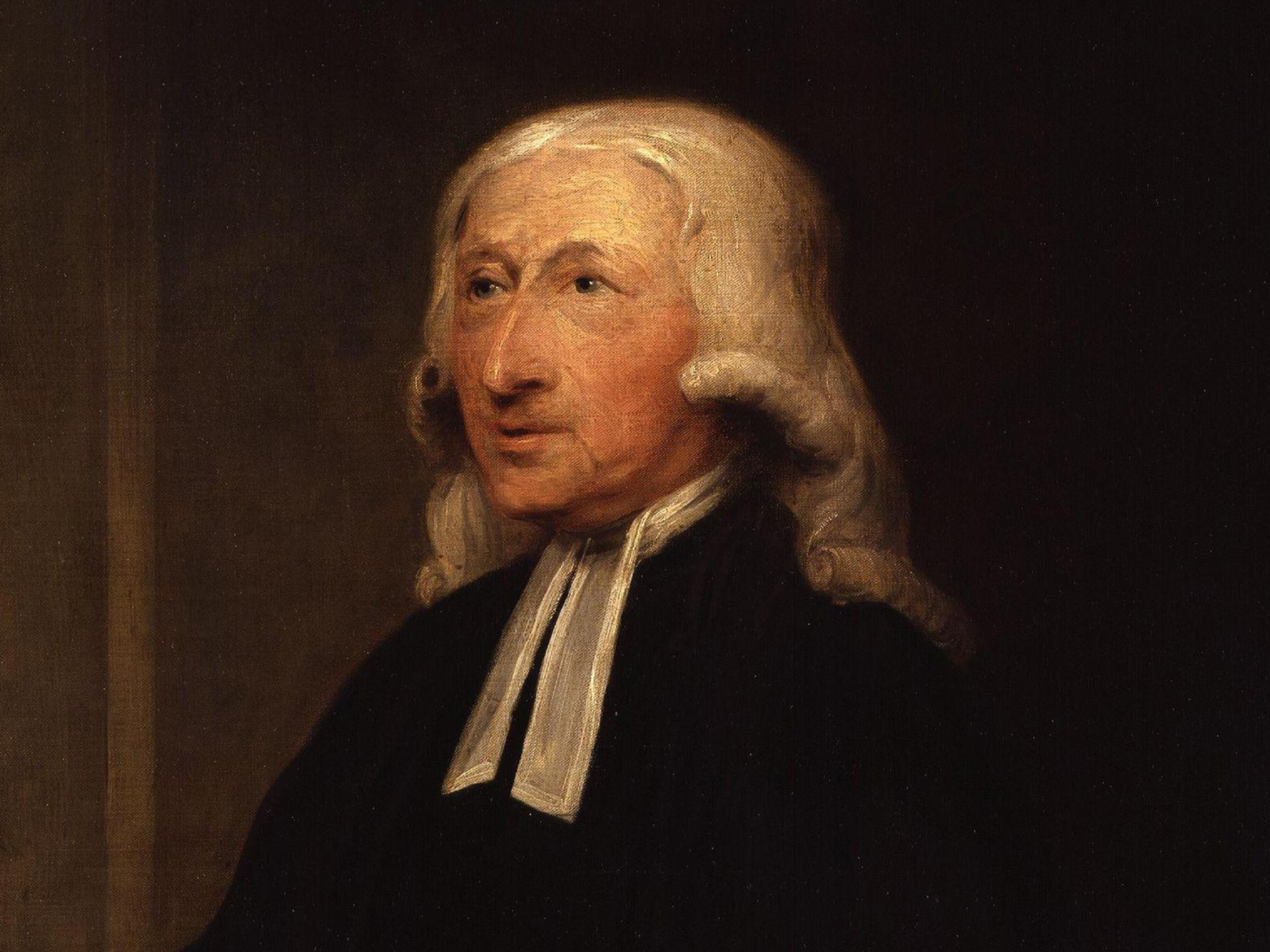
John Wesley was born on June 28, 1703, in the village of Epworth, England. His devout Anglican parents, Samuel and Susanna, had nineteen children, John being the fifteenth. Given his father’s position as rector at Epworth, John’s childhood overflowed with Scripture, prayer, and disciplined living. His father promoted rigorous faith and perseverance amid hardship. Hardship was very familiar to their family: nine of John’s siblings died in infancy. But it was his mother, Susanna, who became the true shaper of John’s early spiritual life. She held weekly sessions with each child, catechizing them and encouraging each of her children to pursue a godly life. John learned from his mother that faith was not merely intellectual assent (i.e., agreement with doctrines) but a life of holiness and order—faith put into practice. That holiness and order would eventually be codified in the Methodist movement. (John, however, remained an Anglican priest all his life.)
John studied at Charterhouse School in London for six years, and then at Christ Church, Oxford. He was then ordained a priest in the Anglican Church in 1728. Even as a clergyman, he wrestled with the meaning of faith and a sense of assurance (i.e., a certainty about salvation and doctrine). His longing for assurance led him to value Martin Luther’s famous commentary on Romans, where the famous Reformer focused on justification by faith through grace. At Oxford, John and his brother Charles formed the “Holy Club,” a small group of students given to prayer, fasting, Bible study, and acts of charity. Their methodical devotion earned them the nickname “Methodists.” It was a term meant as ridicule, but one that would later define their movement.
Missionary Work
In 1735, seeking to serve God outside his immediate context in England, Wesley joined a mission to the American colony of Georgia. He hoped to evangelize Native Americans and revive the faith of the early settlers in the new world. Instead, his time there was marked by misunderstanding and failure. After a failed relationship with a young woman named Sophia Hopkey, the niece of the chief magistrate of Savannah, and increasing tensions with colonists, Wesley returned to England disheartened. “I went to America to convert the Indians,” he wrote, “but oh, who shall convert me?”
He found his answer in 1738 at a small meeting on Aldersgate Street in London. There he heard a reading from Martin Luther’s commentary on Romans, and he felt his heart “strangely warmed.” He wrote, “I felt I did trust in Christ, Christ alone for salvation.” That moment of assurance transformed him from a driven and methodical moralist into a man ignited with joy over God’s grace. It became a spiritual turning point for him, and the start of a revival movement.
From then on, Wesley took it as his mission to grow in personal and social holiness. Against the Calvinist doctrines of limited atonement and predestination, he preached that salvation was available to all, not merely the elect. His theology of “prevenient grace”—God’s grace that goes before belief—seemed to give ordinary men and women hope. It claimed that no soul was beyond the reach of Christ’s redeeming love.
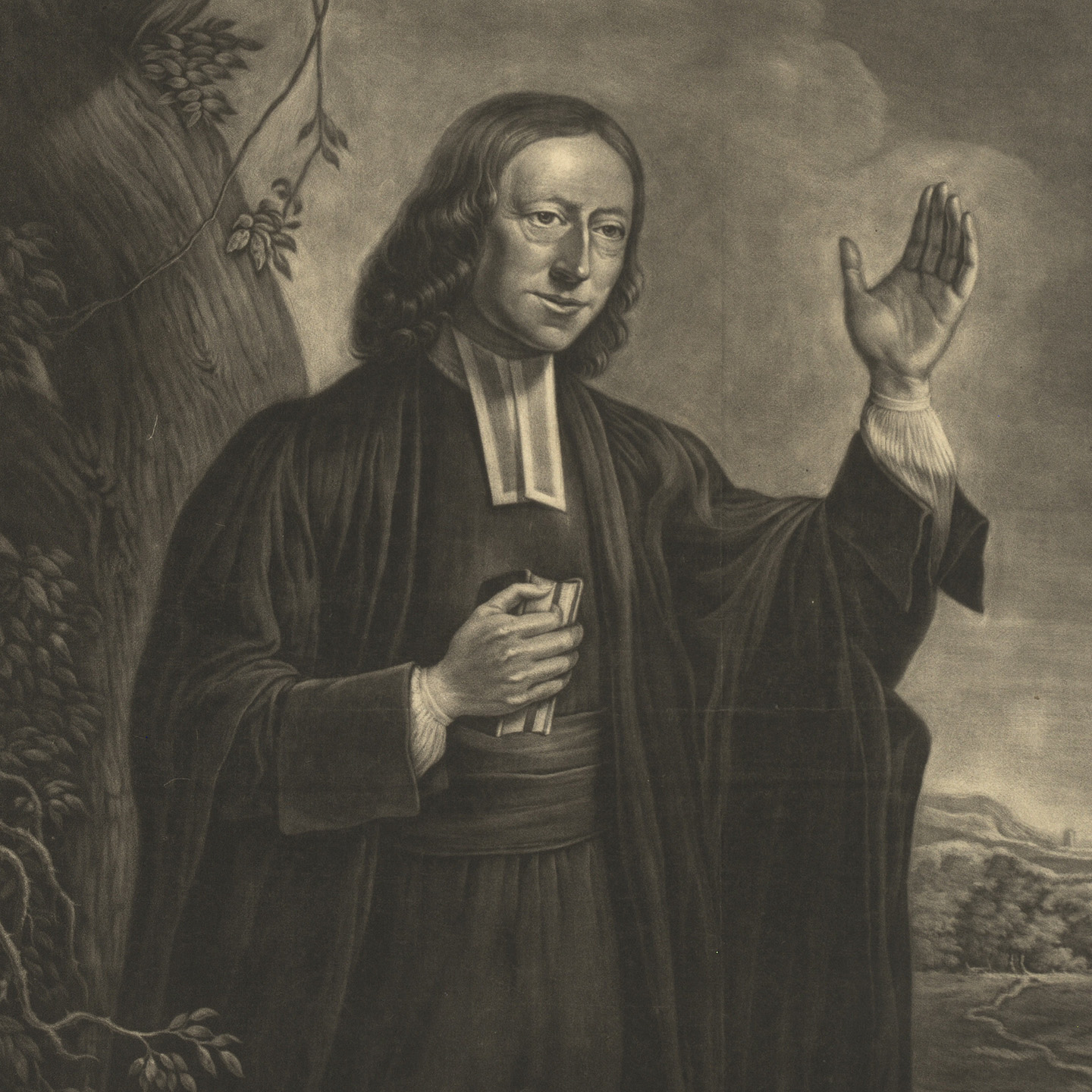
With his ministry pushing beyond the walls of the church, in 1739, he was encouraged by George Whitefield (a famous figure in the First Great Awakening) to begin preaching in open fields to miners and laborers—people ignored or unreached by the established clergy. Thousands gathered to hear him proclaim that Christ died for them. He traveled constantly as an itinerant preacher, often on horseback, preaching multiple times a day in towns, villages, and open fields. “The world is my parish,” he said, and his travels suggested as much.
What was Wesley’s preaching like? He tended to combine clear doctrine with heartfelt urgency—a hallmark of preaching in the First Great Awakening. He called people not only to conversion but to transformation and repentance, a theme central to Martin Luther’s thought. He wanted people not just to agree with biblical doctrines but to live a life shaped by love, discipline, and service. The people who responded to Wesley’s sermons gathered into “societies,” small groups where believers mutually encouraged each other to live faithfully in holiness. These societies, echoes of Wesley’s own “Holy Club” from his younger days, became the backbone of the Methodist movement.
Wesley’s ministry and mission was not restricted to preaching. He was also very concerned for the poor and oppressed. He organized relief for the sick and unemployed, started schools, and was an anti-slavery advocate. He believed that the gospel must address both soul (the individual) and society. “There is no holiness but social holiness,” he wrote. True faith, in other words, was validated by working itself out in love for others.
Wesley was also active as an author and publisher. He produced inexpensive books on theology, medicine, and practical living, aiming to make knowledge accessible to the working class, the same demographic who came to hear his sermons. This also fostered literacy among England’s poor. In a time of widening class divisions, he preached a gospel of dignity, and he had a practical theology to support it.
Though Wesley never intended to found a new denomination (he remained with the Anglican Church for his entire life), his movement eventually grew into one. The Methodist movement spread to Scotland, Ireland, and America. Just before his death, he did, however, ordain ministers for the American Methodists, laying the foundation for what would become the Methodist Episcopal Church.
Wesley had a profound impact on Christian mission because of his zeal and call for an emotional response to the gospel. For many people, his itinerant preaching style and fervor—practiced by others in The Great Awakening—influenced the rise of global evangelicalism. The Methodist emphasis on small groups and lay leadership became a model for mission organizations worldwide.
John Wesley died on March 2, 1791, at the age of 87. His final words capture the essence of his life and legacy: “The best of all is, God is with us.” When he was laid to rest, tens of thousands mourned not merely a preacher but a great shepherd who had lived among them, urging them to holistic holiness—in the heart and in social life.
From a broader perspective, Wesley’s legacy lives on wherever believers gather in small circles to pray, encourage one another, and serve their neighbors in Christ’s name. More specifically, the Methodist movement remains one of the greatest missions forces in Christian history—a testament to Wesley’s conviction that grace, when fully received, becomes a flame that cannot be snuffed out and must be spread to the masses.