Early Life
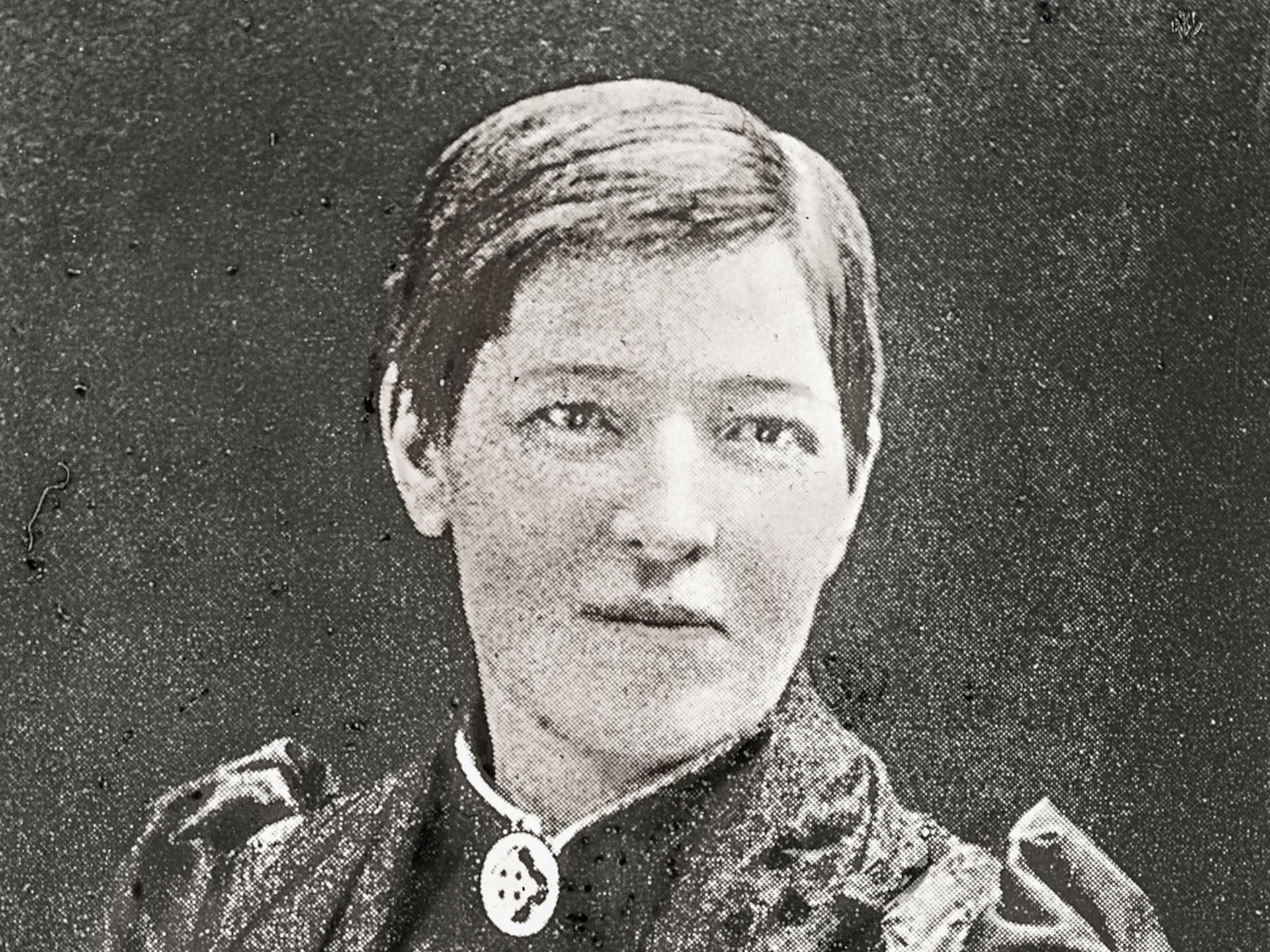
When we think of mighty men and women of God, our thoughts may not include a small, red-headed eleven year old girl in Scotland, busy at work in the thick dust of a factory. Mary, though impoverished by every worldly standard, was rich in a faithful Christian mother’s love. Her mother had heard stories of the wilds of Africa, most likely from David Livingstone’s travels. As the family lived and worked in the polluted slums, she faithfully taught her children Scripture and told stories of people lost in darkness without Christ. As children, Slessor and one of her brothers became determined to go to Africa. Her brother practiced preaching and Slessor sat on the stoop with her stick dolls, practicing teaching. By the time Mary Slessor reached adulthood, she had tragically lost four siblings to the effects of poverty, including the brother who wanted to go. Her father too, died from pneumonia while weakened from alcoholism.
Trained and Sent
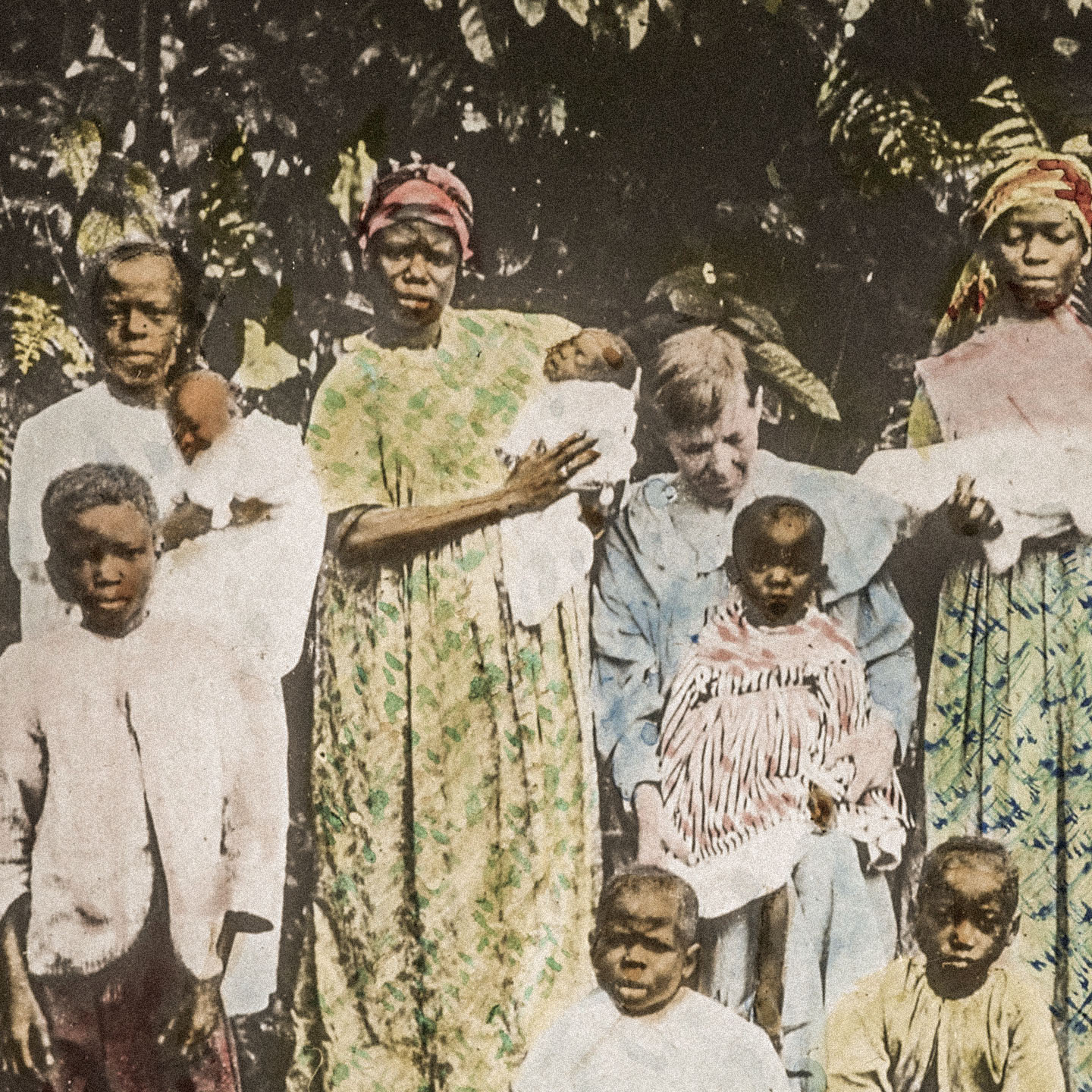
Committed to helping support the family, Slessor continued factory work, turning over her wages to her mother. When she became an adult, she asked her church to use and train her however they could. They assigned her a group of young girls to mentor and disciple. Slessor was thrilled at the opportunity. The continent of Africa and the great need there always loomed large in her mind. In 1873, Livingston died. As the world mourned, a surge of commitments to Great Commission work resulted. Slessor asked her mother for permission to leave her, knowing the loss of income would most affect her mother. Her mother, rejoicing, gave Slessor her blessing. Slessor then asked her church to send her. Two years later, she sailed for Africa as a single woman equipped with the Holy Spirit, her Bible, and a strong Scottish personality.
Africa
The spiritual darkness that Slessor encountered in the port city of Calabar, Nigeria shocked and overwhelmed her. Slavery was everywhere. Witchcraft was a part of daily life and the stories of cannibalism sent her to her knees. Malaria struck her down almost immediately. “Lord, the task is impossible for me but not for Thee,” she tearfully prayed, “lead the way and I will follow.” Slessor rose with renewed strength, shored up by God’s unshakeable strength.
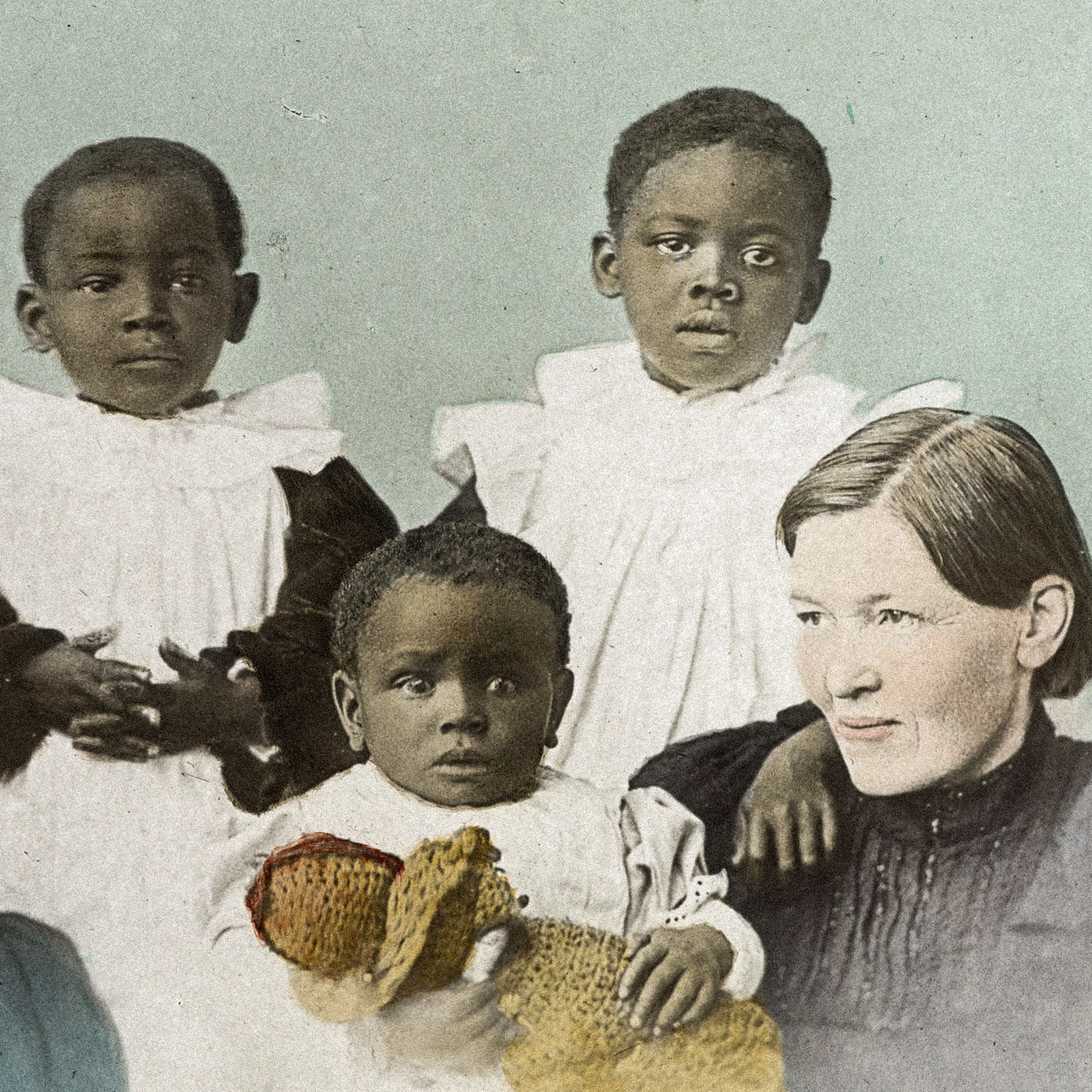
For three years, Slessor worked in Calabar missions, always longing to push deeper into the untouched areas of Nigeria. After malaria sent her back to Scotland and she regained strength, she returned to Nigeria, moving into the rainforest, to where the outlawed heathen practices were still a part of the culture and tribal life. When she found a set of abandoned newborn twins in earthenware pots beneath a tree, she learned that twins were always discarded, left to die or be eaten by wild animals. The tribes believed that a human father could only produce one child, so a second child must mean the mother was impregnated by the devil. Since there was no way to tell the devil child from the human child, they both had to be left to die. Slessor began searching out and rescuing the babies whenever possible. There were so many that she was overwhelmed by the logistical need and wrote home, recruiting more missionaries to come work in a home she established specifically for twins and other abandoned children.
God used Slessor’s strong personality to lead the way to respect and wonder among the people. Cautioned that male-dominated tribes would not listen to her, a woman, Slessor responded, “When you think of the woman's power, you forget the power of the woman’s God. I shall go on.”
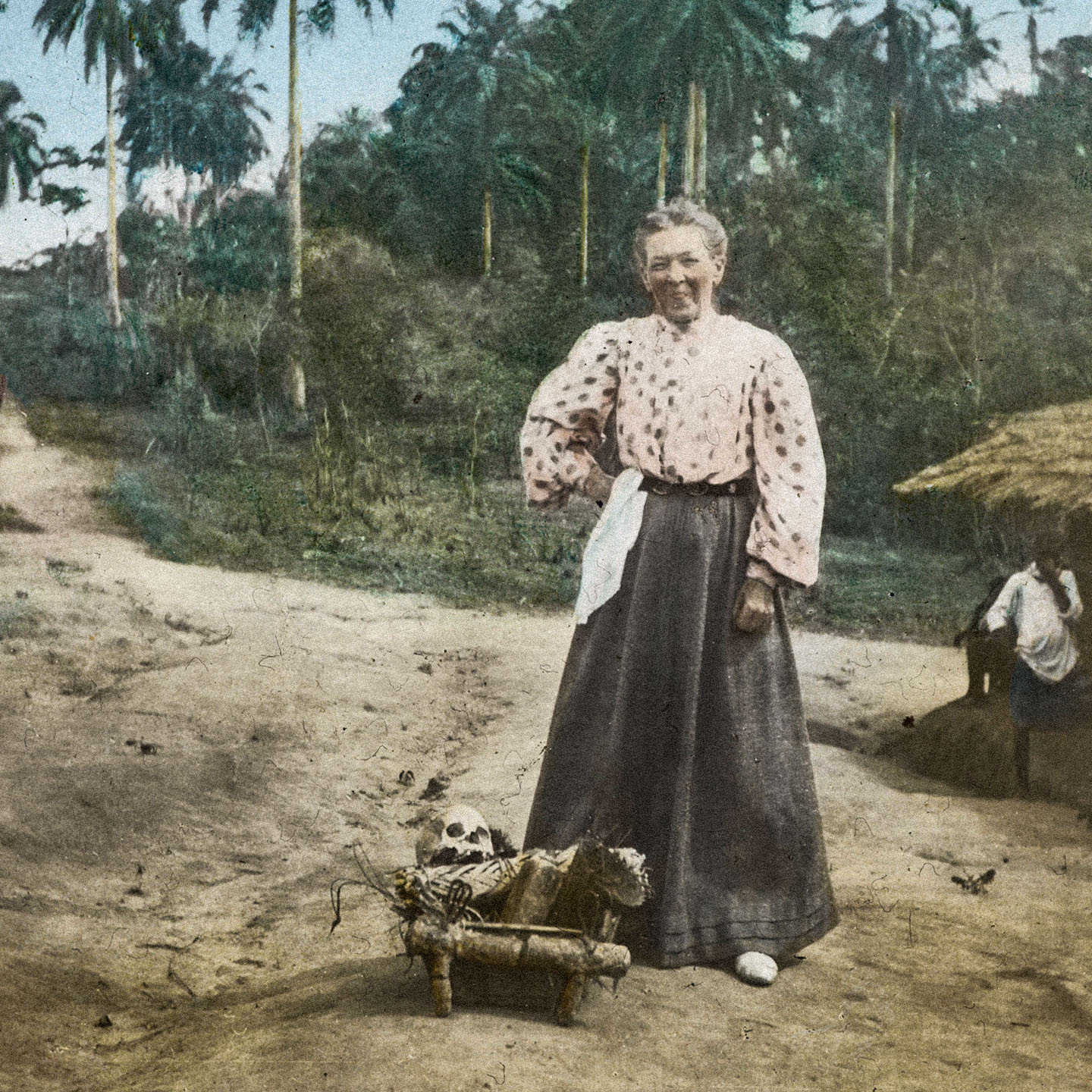
God led Slessor to negotiate peace among warring tribes. Always, wherever she went, she preached the gospel. Malaria fevers plagued her constantly, but she used necessary health trips back to Scotland to visit churches, raising awareness of the need for more workers. In Nigeria, she made her home among a tribe known for killing previous male missionaries. That became her home base for traveling to nearby tribes to preach the gospel. Because of the respect she’d earned, Slessor was able to intervene in the horrendous practice of slave burial. When a master or one of his children died, his healthy slave was buried with the dead. Slessor angrily confronted drunk mourners, insisting they stop the unnecessary deaths. At one point she sat vigil for two long weeks to make sure the slaves were unharmed. Because Slessor endured, learned the language, lived and ate like a local, and adopted local children, the people called her a queen of their people, though Slessor preferred being called Ma. They even appointed her to positions of authority in the tribe.
Home At Last
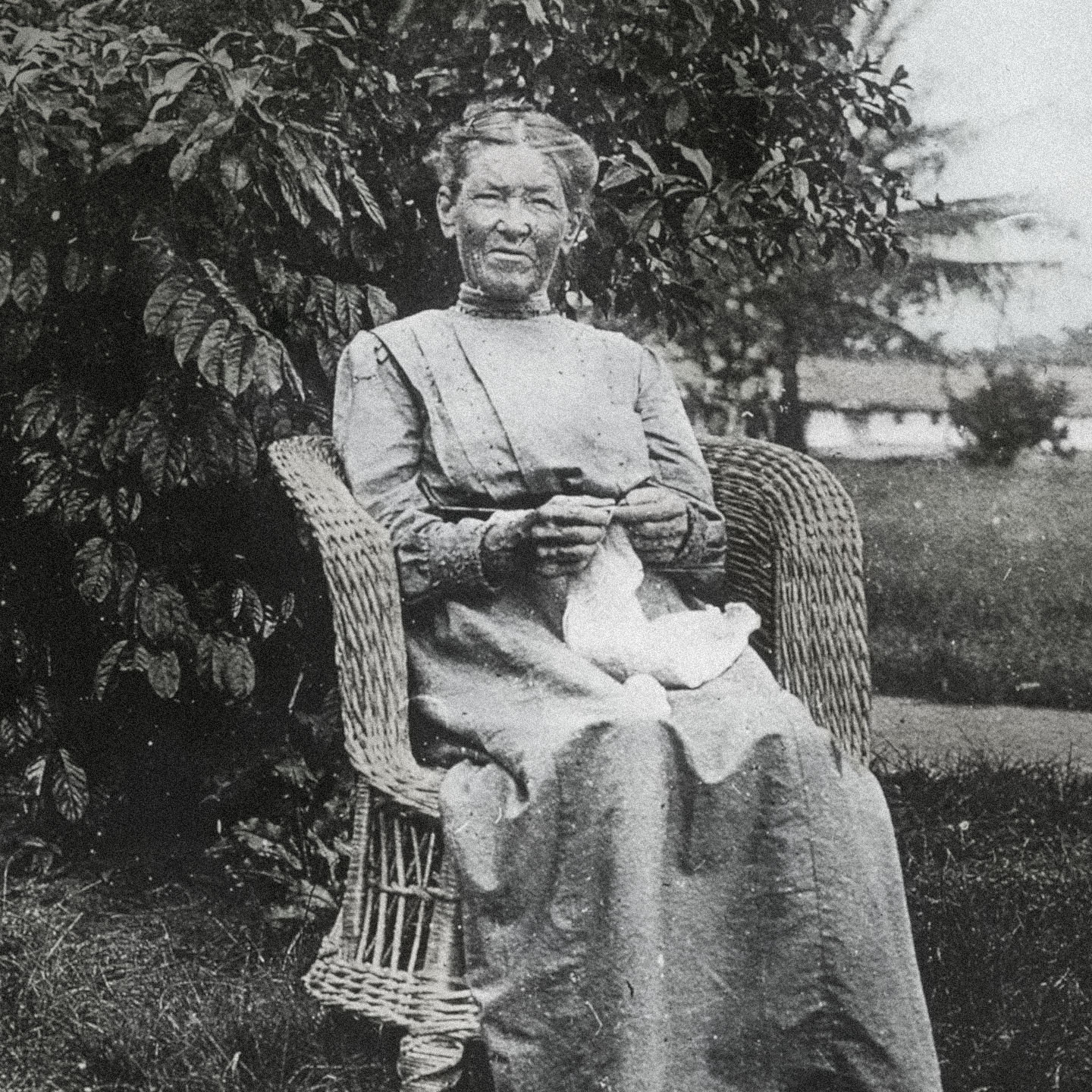
By the time she was sixty-six, Slessor had served over forty years in remote Nigeria. All of her family in Scotland had passed away and she longed for that heavenly home. Too weakened by malaria to walk from village to village, her friends pushed her in a cart so she could continue visits and share the gospel. One night a deeper fever settled on Slessor that took her home to Jesus. Slessor was survived by four adopted children and a legacy of faith and missionary faithfulness that endures today.
Slessor was honored by the local tribes she worked and lived among as well as the British and Scottish governments. From her story of faithfulness, we see the acts of a mighty and faithful God, who will use the smallest and most insignificant to accomplish His Kingdom expansion purposes.
“Every woman has a mission to accomplish on earth…not my plans, not my glory, but God’s plan and His glory.”