The Road to Missions
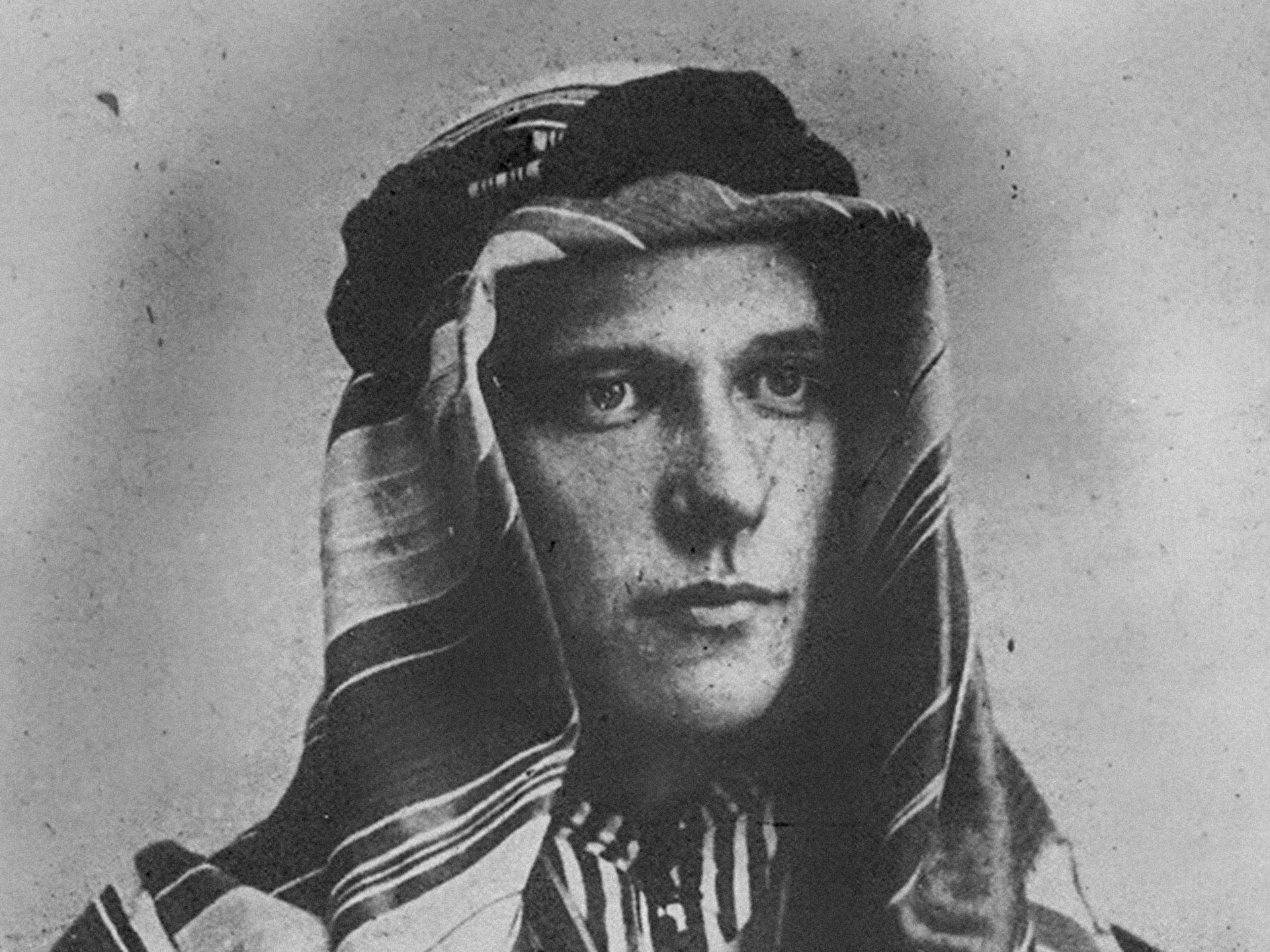
Samuel Marinus Zwemer was born on April 12, 1867 in Vriesland, Michigan (about 24 miles southwest of Grand Rapids) to his parents, Adrian (an ordained minister in the Reformed Church in America) and Catherine. His parents immigrated from the Netherlands, and had 15 children, Zwemer being the 13th. He grew up in a deeply religious family that instilled a love of the Lord into him. He also learned to read and write three languages: English, Dutch, and German. Zwemer’s siblings similarly were filled with a calling to serve: all of his six sisters became schoolteachers, and four of his brothers were called into the ministry, one of them dying on the mission field in Arabia.
Although Zwemer did not find out until later in life, his mother had dedicated her son to missionary service as an infant. This act of faith speaks to the devout hearts of Zwemer’s parents, and the trajectory his life was already heading in within God’s providential plan.
Zwemer attended Hope College in Holland, Michigan where he became an active participant in the campus mission group. This exposure to missionary work opened his eyes to the need for people to take the Gospel around the world. He graduated from Hope College with an A.B. (which is the same as a Bachelor of Arts) in 1887. He then joined New Brunswick Seminary in New Jersey where he received an M.A. in 1890. There, his heart for the Middle East and Muslims blossomed, leading him and two other students, James Cantine and Philip T. Phelps, as well as a professor of Old Testament and former missionary to Egypt, John G. Lansing, to plan a mission to Muslims. They specifically wanted to focus their efforts to Arabia, an especially hostile place for Christians. It was difficult for them to find a missionary agency to sponsor them. However, undeterred, the students formed a new agency, named the Arabian Mission. Zwemer said, “If God calls you and no board will send you, bore a hole through the board and go anyway.” This spirit of dedicated vision drove him to reach places no one else had before.
Missionary Work in Arabia
Zwemer graduated seminary and was ordained in the Reformed Church of America on May 29, 1890. Quickly after, he set sail for the Middle East where he joined Cantine in Beirut, Lebanon. Phelps stayed in the U.S. to work as treasurer and fundraiser of their work. In Beirut, Zwemer and Cantine studied the Arabic language. Due to the fact that his first and last name were difficult to pronounce, Zwemer adopted the Arabic name Dhaif Allah, “The Guest of God.” Soon, they joined Lansing in Cairo, Egypt, where they began planning how to go about reaching the Arabic nations. They decided to settle in Basrah as their home base in southern Iraq. Here, they worked for 14 years, writing and personally evangelizing to the Muslims. His Reformed faith and Calvinistic mission informed this missiology. He believed the power to save lay with God. Zwemer’s prayer for the Muslims shows how deeply Christ was at the center of his mission:
“We pray for Thy two hundred million prodigal children in Moslem lands who are still afar off, that they may be brought nigh by the blood of Christ. Look upon them in pity because they are ignorant of Thy truth. Take away their pride of intellect and blindness of heart, and reveal to them the surpassing beauty and power of Thy Son Jesus Christ. Convince them of their sin in rejecting the atonement of the only Savior.”
Six years into his missionary work, the Lord sent Zwemer Amy Wilkes, a missionary nurse with the Australian mission. They married in 1896 and had six children together. Two of his daughters, Amy (age seven) and Ruth (age three) died within weeks of each other during July 1904. This left a lasting impact on Zwemer.
The Zwemers moved to Bahrain, a British-held island in the Persian Gulf, where they built a mission station. Here, they continued the work of personal evangelism, tract writing, and medical care. Zwemer also began his prolific journey as an author and editor, including his first book, Arabia: The Cradle of Islam.
Mobilizer of Missionaries
Zwemer was a talented speaker and writer. He knew how to reach the hearts of his listeners and mobilize them to care about the Muslims unlike anyone had done before. He is remembered for the way he opened the curtain blocking many Christians from understanding or caring about followers of Islam. Dr. James J. Pursley writes, “Zwemer deconstructed Islamic beliefs that were antithetical to the Gospel and constructed bridges from Islamic beliefs that were biblically based.” Zwemer believed that the primary obstacle for Christians for engaging with Muslims was their ignorance of Islam and their inability to tactfully and logically bring Muslims to understand the Gospel as the message of the true Christ. He knew that the Reformed faith and presuppositional apologetics was the answer to reaching the Muslims. Zwemer wrote,
“God in his sovereign providence and by his Holy Spirit has led the Reformed faith geographically to the very heart of the Moslem world. For more than one hundred years the Churches of the Reformed tradition were the only ones that went to its cradle and its strongholds in the Near East. They, more than any other branch of the Church, were pioneers in the world of Islam.”
Zwemer also began a quarterly publication called The Moslem World, first printed in 1911. He edited this publication for 35 years, using the journal to educate Christians about Islam and missions to the Muslims. Zwemer wrote furiously, publishing over 50 books and countless articles. Some of his favorites were The Glory of the Incarnation, The Glory of the Cross, and The Glory of the Empty Tomb. His speaking engagements took him all over the world, where he evangelized to the Muslims whenever he could, and educated Christians about Islam. In 1914, he gave 151 addresses in just 113 days. Because of Zwemer, Christians around the globe were inspired and mobilized to go to the Middle East and continue the work Zwemer started.
In 1929, Zwemer, Amy, and his three surviving children returned to the U.S. after working in Cairo for several years. He accepted a position at the Princeton Theological Seminary as Professor of Missions and Professor of the History of Religion. He continued teaching at Princeton until he retired at age 71. Around this time, his beloved wife, Amy, died in 1937. Zwemer remarried to Margaret Clarke in 1940. He continued to travel and speak, even returning to Arabia at 83, and to the two graves of his little daughters.
His second wife died in 1950. Two years later, after three speeches in one day, Zwemer had a heart attack. On April 2, 1952, Zwemer went to be with his Lord and his children who went before him.
Zwemer’s work as a missionary and mobilizer of Christians to the Muslims was rooted in passion for the lost. His life is a monument to the Great Commission.