Early Life
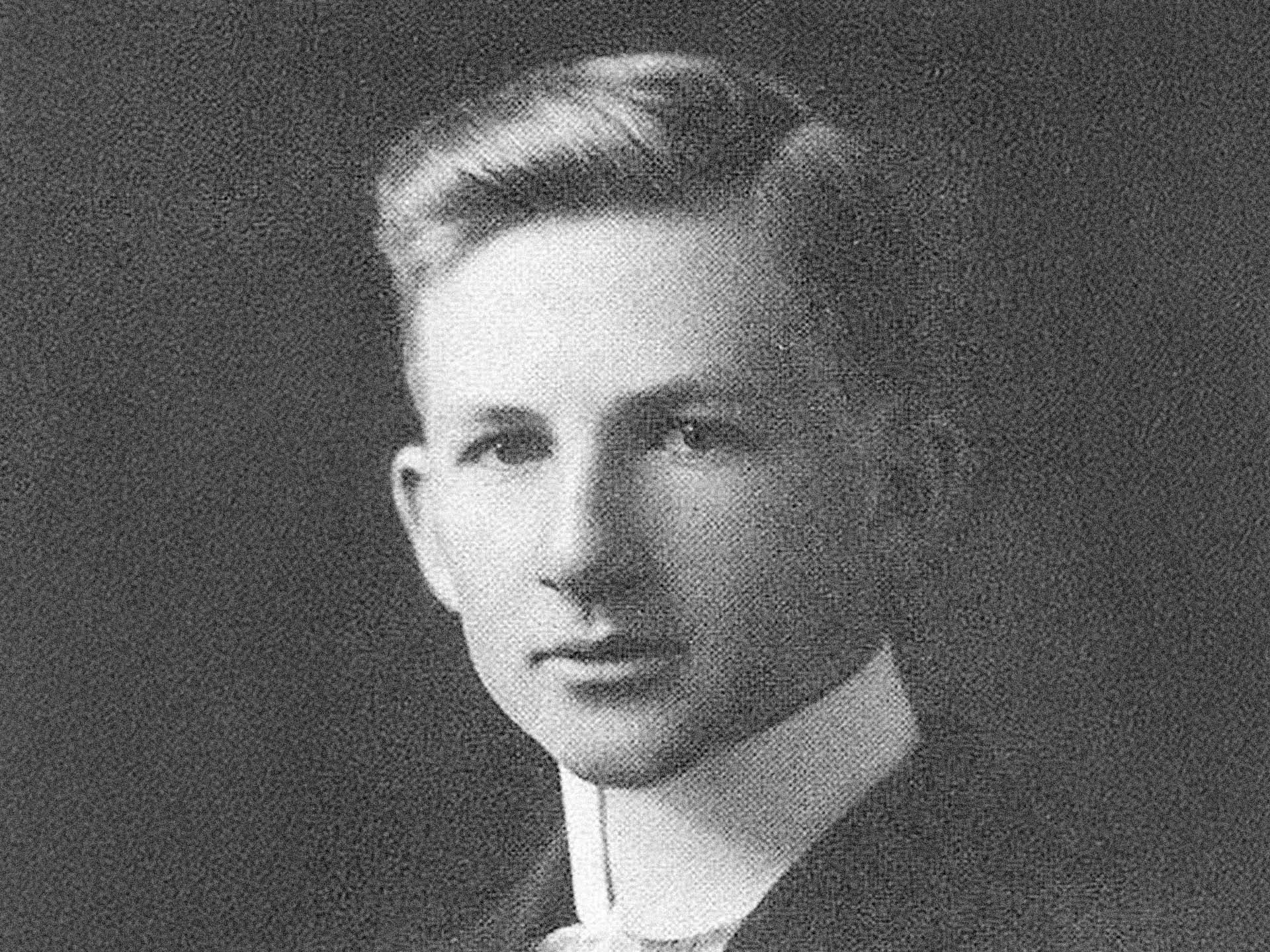
William Cameron (Cam) Townsend was born on July 9, 1896, in Eastvale, California, to a family of faithful Presbyterians. His parents, Charles and Annie, instilled in him both a love for Scripture and a spirit of adventure, which would both play into his founding of the Summer Institute for Linguistics (SIL) and his work with Wycliffe Bible Translators. It is said that Cam’s practical industriousness came from his father, while his gentle faith respecting persons came from his mother. Both would prove critical to his life’s work.
Like many visionaries, Cam’s early life showed evidence of profound zeal and curiosity. But it would take some time to surface. As a teenager, he sold Bibles door-to-door to fund his education. He studied philosophy and religion at Occidental College, but the coming war would force him to go far from home with his knowledge and skillset.
In 1917, during World War I, while many young men were enlisting and fighting in the war, Townsend chose a different path. He joined a Bible distribution project in Guatemala. Traveling through mountain villages, he sold Spanish Bibles to indigenous people. The problem was that not everyone could read them: Spanish, of course, was not the only language in Central America. Townsend befriended a Cakchiquel man, a group marginalized by the more developed peoples, and sought to bring the gospel to his village. He could see now that one of the main barriers for the gospel going out to the nations was language. Was it possible to get the word of God into every possible language? Could Bible translation be that extensive? Townsend began pursuing answers to both questions.
He settled in among the Cakchiquel of Guatemala, devoting his time to learning their language so that he could translate the Bible for them. After more than a decade, he had developed the first written form of Cakchiquel (it was formerly only an oral language) and translated the New Testament. He was also teaching the people how to read so that others could work through the Bible for themselves. What he experienced in this would set him on a journey to make Bible translation his life’s mission.

Wycliffe Bible Translators and SIL
Townsend had seen what Bible translation could do for people who didn’t have access to God’s word. He wanted to share that experience with others. So, he began thinking about what it might look like to equip others to do what he had done—study indigenous languages, develop a written alphabet, translate Scripture, and train local believers to lead their own churches. In 1934, he founded Camp Wycliffe in Arkansas. The total enrollment: two students. The small training camp, named after the translator John Wycliffe, would eventually become Wycliffe Bible Translators, one of the most influential missionary organizations of the twentieth century.
Townsend’s approach was strikingly original, though it seems like common sense to us today. Many mission agencies at the time focused on evangelism or medical aid, but Townsend wanted to go deeper: he wanted to give people the Bible, based on a conviction that language was indeed the greatest barrier to hearing the gospel. If you want to reach the heart, some translators have said, you have to reach the tongue. Townsend would write, “The greatest missionary is the Bible in the mother tongue.”
His commitment to linguistics and cultural sensitivity also led to the founding of the Summer Institute of Linguistics (SIL) in 1936, a partner organization that trained missionaries in linguistics, anthropology, translation, and frontier living. SIL developed into a global network alongside national governments and universities. What made Townsend’s model unique was that it demanded academic rigor and missionary passion, bridging the gap between scholarly linguistics and evangelical outreach. In fact, Townsend encouraged many of his students to pursue PhD work. One of his students, Kenneth L. Pike, would go on to become an expert in phonetics and do with the Mixtec people of Mesoamerica what Townsend had done for the Cakchiquel in Guatemala. That was exactly what Townsend wanted.
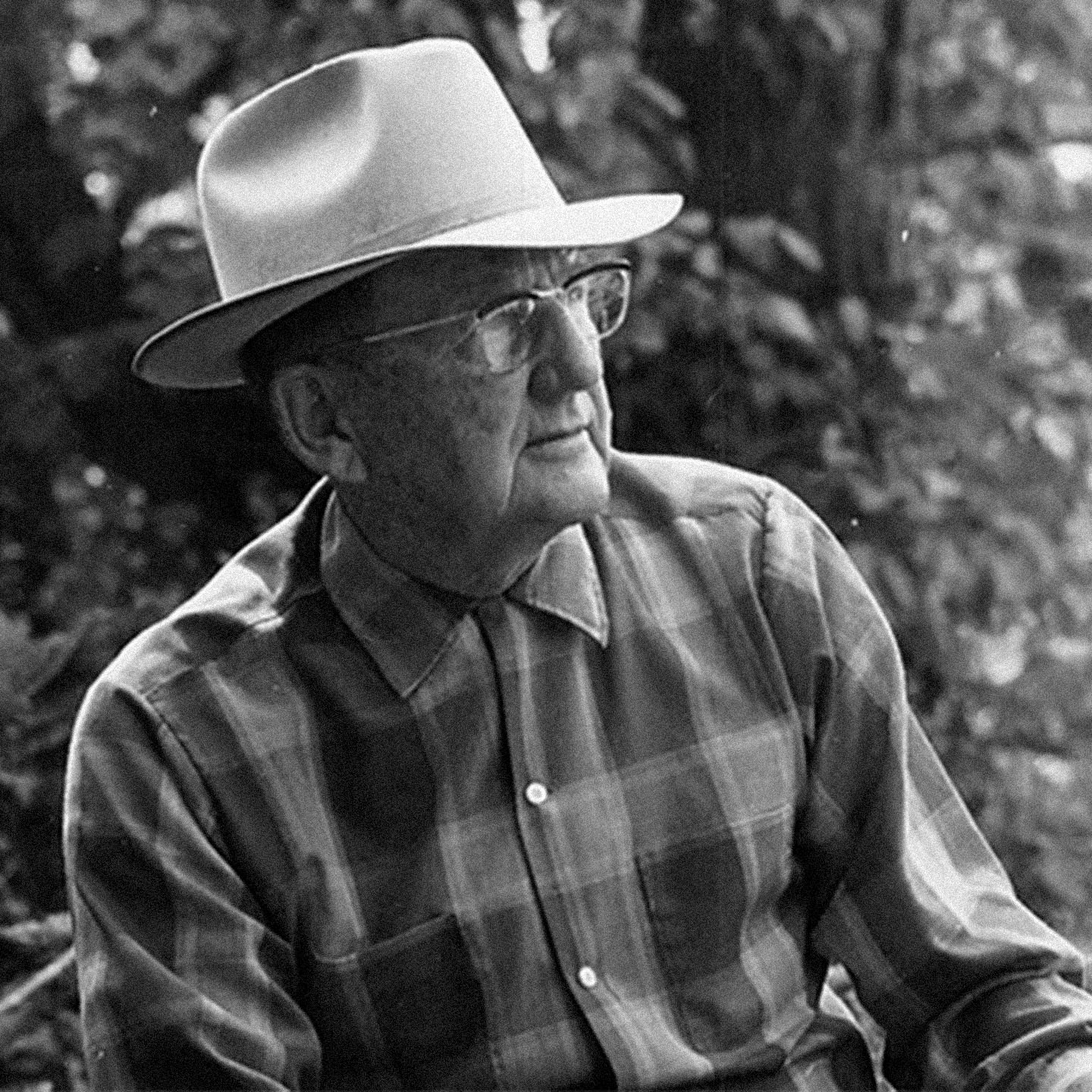
Unsurprisingly, Townsend’s work carried him around the world—to Mexico, Peru, Ecuador, and beyond—as he championed Bible translation in indigenous languages. His negotiations with governments also required remarkable diplomacy, where his gentle spirit was an asset. In Mexico, for instance, he won the trust of President Lázaro Cárdenas, persuading him that literacy and Scripture translation could help unify the nation. Townsend’s insistence that missionaries serve rather than dominate local cultures helped reshape modern mission practice.
By the time of Townsend’s death in 1982, Wycliffe Bible Translators had grown into a massive movement with thousands of members working among hundreds of language groups. His dream of every people hearing the word in their own language was much more of a reality.
Townsend’s contribution to Christian missions lies not only in his organizational genius but in his theological conviction that God’s communication is incarnational. Just as Christ took on flesh, so too must the gospel take on the speech and symbols of every unique culture. Through his life’s work, the church learned anew that translation is not a technical task; it is an embodied act of love.
His student Kenneth Pike would write, “Not since the third century has there been a man like Cameron Townsend who attempted so much, and saw so many dreams realized in his lifetime.” The missions legacy of William Cameron Townsend continues through ongoing translation projects across the world. Wycliffe Bible Translators and SIL continue to do work that builds on his accomplishments. His story reminds believers that language is sacred ground and that every people, in their own words, must hear the speech of God.