Christ's Justifying Works
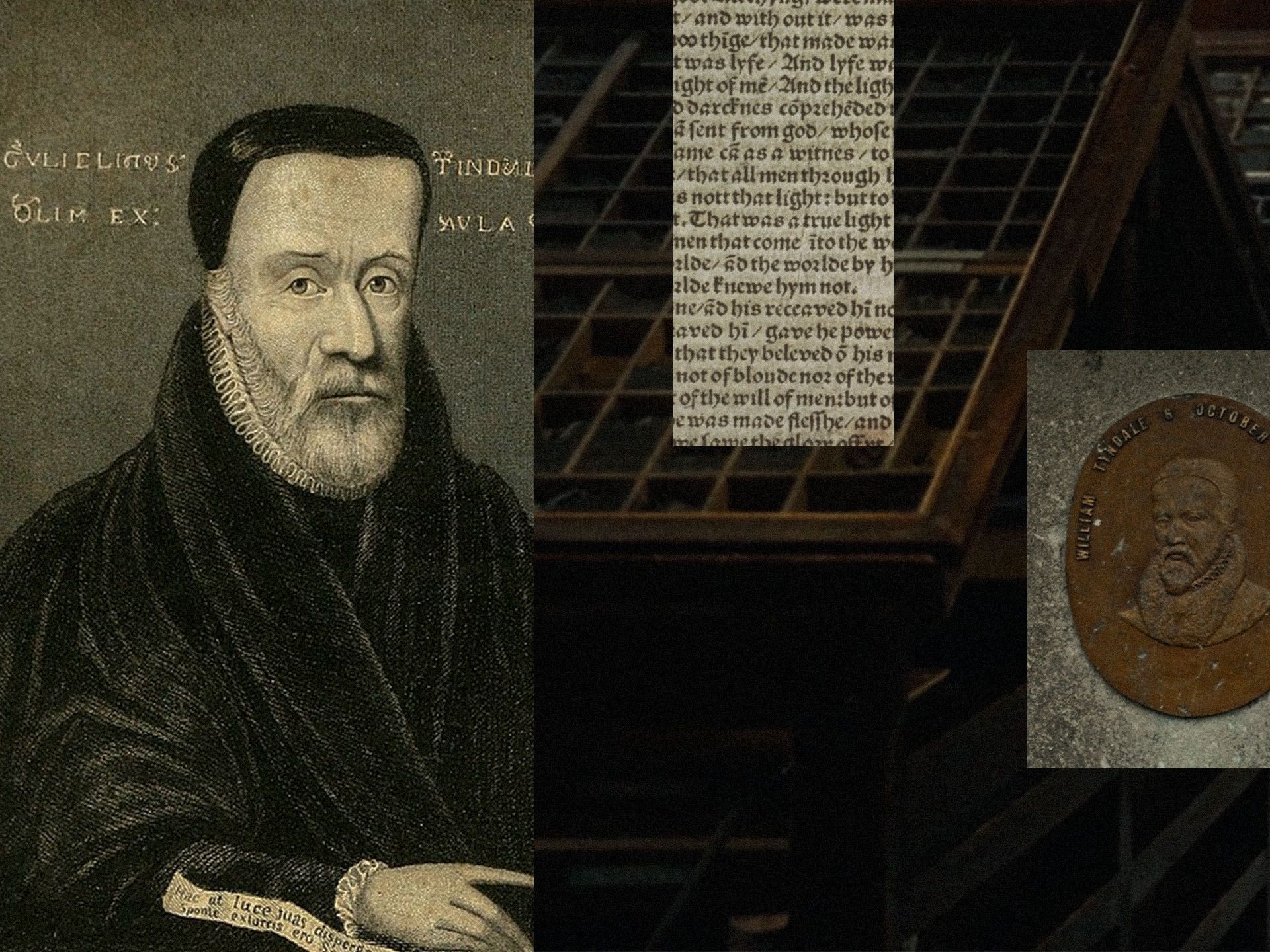
William Tyndale committed an act so atrocious to the English government that he was brutally martyred for it: he translated the Bible into English. The deep love Tyndale had for the power and necessity of God’s word is evident in this excerpt from his prologue to the epistle of Romans. Here his love for the truth of salvation by faith alone is on full display, the cause for which he gave his life.
Today, 500 years since Tyndale’s translation renewed the faith of the English-speaking Church, his mission remains unrealized for many languages around the world. Making God’s word known in every language to every people demands courage and zeal for the Lord. To commemorate Tyndale’s translation, and to encourage you and your local church in your part in that mission, we’ve made our film about William Tyndale free to watch on YouTube.
The sum and whole cause of the writing of this epistle is to prove that a man is justified by faith only; which proposition whoever denies, to him is not only this epistle and all that Paul writes, but also the whole scripture, so locked up, that he shall never understand it to his soul’s health. And, to bring a man to the understanding and feeling that faith only justifies, Paul proves that the whole nature of man is so poisoned and so corrupt, yes, and so dead, concerning godly living or godly thinking, that it is impossible for her to keep the law in the sight of God; that is to say, to love it, and of love and willingness to do it as naturally as a man eats or drinks, until he be quickened again and healed through faith. And by justifying, understand no other thing than to be reconciled to God, and to be restored unto his favor, and to have your sins forgiven you. As, when I say, God justifies us, understand thereby, that God for Christ’s sake, merits, and deservings only, receives us unto His mercy, favor, and grace, and forgives us our sins. And when I say, Christ justifies us, understand thereby, that Christ only has redeemed us, bought, and delivered us out of the wrath of God and damnation, and has with his works only purchased us the mercy, the favor, and grace of God, and the forgiveness of our sins. And when I say, that faith justifies, understand hereby, that faith and trust in the truth of God and in the mercy promised us for Christ’s sake, and for his deserving and works only, does quiet the conscience and certify her that our sins be forgiven, and we in the favor of God.
Furthermore, set before your eyes Christ’s works and your own works. Christ’s works only justify you, and make satisfaction for your sin, and not your own works; that is to say, quiet your conscience, and make sure that your sins are forgiven you, and not your own works. For the promise of mercy is made to you for Christ’s work’s sake, and not for your own work’s sake.
Therefore, seeing God has not promised that your own works shall save you, therefore faith in your own works can never quiet your conscience, nor certify you before God, when God comes to judge and to take a reckoning, that your sins are forgiven you. Beyond all this, my own works can never satisfy the law, or pay that I owe it: for I owe the law to love it with all my heart, soul, power, and might; which to pay I am never able, while I am compassed with flesh. No, I cannot once begin to love the law, except I be first sure by faith, that God loves me and forgives me.
Finally, that we say, “faith only justifies” ought to offend no man. For if this be true, that Christ only redeemed us, Christ only bare our sins, made satisfaction for them, and purchased us the favor of God; then must it needs be true that the trust only in Christ’s deserving and in the promises of God the Father, made to us for Christ’s sake, does alone quiet the conscience, and certify it that the sins are forgiven. And when they say, “A man must repent, forsake sin, and have a purpose to sin no more, as nigh as he can, and love the law of God; therefore faith alone justifies not”: I answer, That and all like arguments are naught, and like to this— I must repent and be sorry; the gospel must be preached me, and I must believe it, or else I cannot be partaker of mercy, which Christ hath deserved for me. Therefore Christ only justifies me not; or Christ only has not made satisfaction for my sins. As this is an insignificant argument, so is the other.
Now go to, reader, and according to the order of Paul’s writing, even so do. First, behold yourself diligently in the law of God, and see there your just damnation. Secondly, turn your eyes to Christ, and see there the exceeding mercy of your most kind and loving Father. Thirdly, remember that Christ made not this atonement that you should anger God again; neither died He for your sins that you should live still in them; neither did he cleanse you that you should return as a swine to your old puddle again; but that you should be a new creature, and live a new life after the will of God, and not of the flesh. And be diligent, lest through your own negligence and unthankfulness you lose this favour and mercy again. Farewell.