How to Mobilize College Students: Lessons from Charles Simeon
Many pastors see college students as the best demographic to raise up future missionaries. Mobilizing students, however, comes with unique challenges. Youthful zeal often blinds good judgement, reaching the unreached demands much, and the local church is often forgotten. Too many pastors attempt to solve these problems by compromising key steps of the mobilization process. Doing so leads to disaster for the student, the sending church, and the global Bride of Christ.
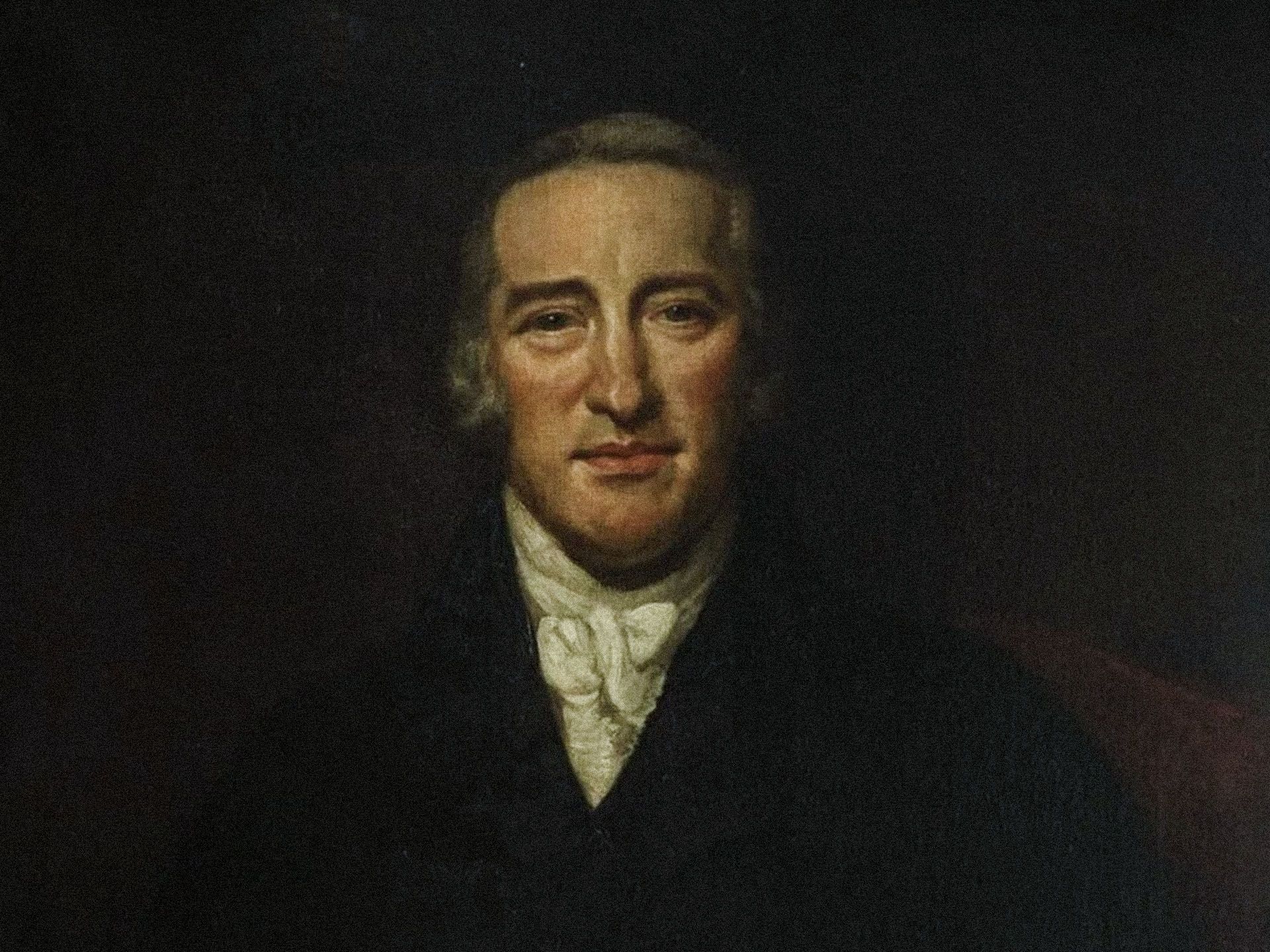
These are not new problems. Charles Simeon (1759-1836) faced the same issues while ministering to students at the University of Cambridge. He also experienced greater opposition from the faculty of Cambridge, and even his own congregation, than most pastors in modern America ever will. Yet, after reading William Carey’s An Enquiry, Simeon devoted himself to raising up students within the Church of England to plant churches among the unreached. His student mobilization would go on to pioneer the Modern Missionary Movement.
Charles Simeon successfully mobilized students for missions by calling them to conversion and discernment, creating inroads to the unreached, and centering missions on the local church. An examination of his ministry will inform pastors how they can do the same for this generation of college students.
Call to Conversion & Discernment
Many students receive calls to missions because of their zeal or perceived leadership qualities. But charisma easily masks spiritual immaturity or far worse, an unregenerate heart. When Charles Simeon began ministering at Holy Trinity Church in Cambridge, he was appalled at the number of unconverted students studying for ordination.
In addition to his prolific pulpit ministry, Simeon addressed this by hosting “conversation parties.” These evening gatherings drew nearly a hundred students every week. Many college ministers today might see these parties as strategic opportunities to rally excitement over missions. Simeon, however, saw them first as a means to know each student personally and discern their spiritual condition. He evangelized them when needed and applied the gospel to their lives before equipping them for ministry.
Yet, the missionary call requires more than a credible profession of faith. Simeon preached a godly discernment to help those who believe they are called:
“When a man asks me about a call to be a Missionary, I answer very differently from many others. I tell him that if he feels his mind to be strongly bent on it, he ought to take that as a reason for suspecting and carefully examining whether it is not self rather than God which is leading him to the work. The man that does good as a Missionary is he who is in equilibrio, and says, ‘Here am I; do what seemeth good unto thee: send me.’ We must be divested of self, else we shall do no good as Missionaries.”
Leadership acumen may take a student far in the business world, but that amounts to nothing on the mission field without a converted heart and a well-considered missionary call. The mission field requires servants who have trusted Christ as their suffering Savior and humbly resolved to suffer for Him.
Create Inroads to the Unreached
Mobilizing students to missions goes far beyond patting them on the back and pushing them out the door. A church that mobilizes students well walks with them from their calling through their entire time on the field. Yet, becoming a good sending church comes with a mountain of logistical difficulties. These multiply if the goal is to plant a church among an unreached language group.
Charles Simeon faced this problem also. Students came forth by the dozens to be sent unto the mission field, but the Church of England had no infrastructure to send them. Rather than wait for opportunities to come, Simeon resolved to create inroads to the unreached.
In a meeting on the state of missions in the Church of England, he passionately declared, “We require something more than resolutions....Many draw back because we do not stand forward. When shall we do it? Directly: not a moment to be lost. We have been dreaming these four years, while all England, all Europe, has been awake...It is hopeless to wait for Missionaries. Send out Catechists.”
This resulted in the formation of the Society for Missions to Africa and the East in 1799, later to be renamed the Church Missionary Society. From this society, students were mobilized from England to plant churches in as far as India, Western Africa, Sri Lanka, and the West Indies.
This is not to say churches must create a sending agency to mobilize students. Simeon found other creative means to get students on the field. As the East India Company expanded its trade routes in the nineteenth century, Simeon reimagined these as routes for the export of the gospel, encouraging more than three dozen of his students to apply as company chaplains. These chaplaincy positions continued to be a viable inroad into the mission field for students long after Simeon died in 1836.
If a pastor and church truly desire to send students to the hardest-to-reach places, they must prayerfully count the cost. Once committed, they must be ready to pursue creative avenues of access to the field and persevere until the task is finished.
Centered on the Local Church
There is no shortage of organizations who would send college students to some sort of ministerial work overseas. Many truly engage in sharing the gospel, even among unreached language groups. At the same time, if their work is not centered on the local church, they are not fully obeying the Great Commission.
A crucial fact about Charles Simeon has yet to be mentioned: he was a loyal churchman.
Simeon’s confessional convictions colored all his preaching. Aware that evangelical zeal could lead students away from the Church of England, he used his conversation parties to cultivate in aspiring missionaries a love for and commitment to Christ’s Church. He urged those serving in the field to contend for the Church, and, if necessary, to suffer for her as Christ did.
Simeon was so convinced that missions must be centered on the local church that he expelled two ministers from the Church Missionary Society for holding private services that did not meet the Church of England’s confessional standards. Extreme as that may seem, Simeon knew that Christ’s command in the Great Commission meant an unwavering devotion to the Church’s doctrine and confession.
Many claim that an organized local church and doctrinal standards go out the door on the mission field. Even if that were true, it would be a dire problem to address, not something to shrug off. Christ committed himself to reach the nations through His Bride, the Church. Pastors engaged in student mobilization must share this commitment.
Conclusion
By Simeon’s death, the Church Missionary Society mobilized hundreds of college students to the field. While rejoicing in that, today’s pastors should be less concerned about the number and more about how he did it. As Charles Simeon showed us, as well as his spiritual son Henry Martyn, caring more about how your church mobilizes than how many your church mobilizes is more faithful to the Great Commission and bears fruit for generations. Charles Simeon became one of the pioneers for the Modern Missionary Movement by emphasizing conversion, creativity, and the Church in student mobilization.