Paul’s Great Ambition: What Romans 15 Teaches Us About Missions Priorities
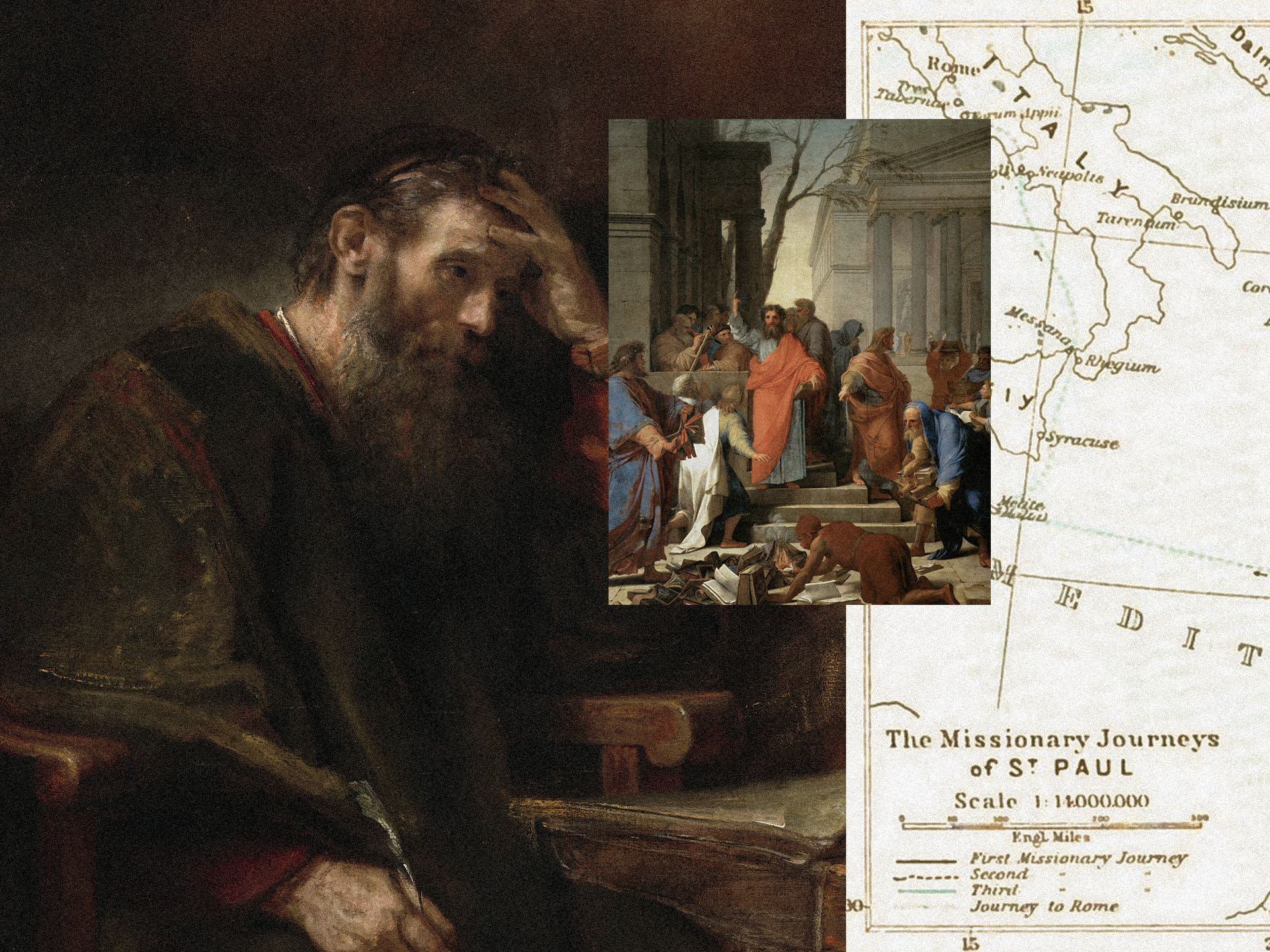
Romans 15:20–21 gives us a rare view of the heart of the apostle Paul, the greatest missionary to ever live. Read these words carefully:
“…and thus I make it my ambition to preach the gospel, not where Christ has already been named, lest I build on someone else’s foundation, but as it is written, ‘Those who have never been told of him will see, and those who have never heard will understand.’”
These verses lead me to ask, “What is your great ambition in life?" In other words, "What gets you out of bed in the morning? What fills your thoughts when your head hits the pillow at night? What do you daydream about when you should be working or finishing a project around the house?"
For Paul, the answer was clear: to name Christ where He was not yet known.
Paul’s Aim
Paul’s driving ambition was not arbitrary. He knew that every soul saved is an increase in the glory of God (Romans 15:9). Therefore, his missionary strategy was simple: to spend his time, talent, and treasure where that outcome could be maximized.
Of course, we know from the book of Acts that Paul cared deeply about strengthening existing churches. He regularly revisited congregations he had planted. But his main priority was always frontier work, going where Christ had not been proclaimed and calling men and women to faith in Jesus.
That’s why in Romans 15:22–23 Paul says he has long wanted to visit Rome but has been unable to fit it into his schedule. His laser focus on advancing the gospel into unreached regions meant other good desires had to wait.
What Does This Have to Do With Us?
You might be tempted to think, “That’s interesting about Paul, but I’m not an apostle or missionary. What does this have to do with me?” Here’s the answer: these verses are in Scripture to keep the church’s priorities straight until Christ returns.
The Drift Toward Easier Missions
Let’s be honest: frontier missions are hard. They are scary, dangerous, expensive, time-consuming, and often very slow. Because of this, the church will always feel tempted to drift toward easier, more comfortable forms of missions.
A helpful way of thinking about the various forms of missions needs comes from Brooks Buser. He describes “four lanes of missions" this way:
- Evangelism in Reached Contexts
Sharing the gospel where churches already exist and access to the gospel is common. - Church Planting in Reached Contexts
Starting new churches in places where Christ is already named. - Frontier Evangelism
Going to unreached peoples where Christ is not known. - Frontier Church Planting
Staying until a mature, indigenous, self-sustaining church is planted among a people group with no gospel presence. This is the longest, hardest lane.
The truth is churches naturally drift into lanes 1 and 2. And while these efforts are good and necessary, we must be exhorted again and again to press into lanes 3 and 4.
Why Frontier Missions Matters
God is certainly glorified when existing churches are strengthened. But Paul reminds us that God is maximally glorified in the salvation of sinners in places where Christ has not been named. This is why I believe the Spirit inspired these verses to be recorded in scripture: to keep the frontier missionary impulse alive and urgent in every generation.
Furthermore, Paul is demonstrating his union with Christ in his mission. That is why Paul applies the “Servant Song” (Isaiah 52:13–53:12) to himself both here and in other passages. Paul wants to keep the missionary impulse alive because he understands that the church in union with Christ must continue the mission of the Christ, with whom they are united.
So what does this mean for you and for our churches?
- Let’s align our mission priorities with Paul’s.
- Let’s make it our great ambition to see Christ preached where He is not known.
- Let’s follow Paul’s example in encouraging and strengthening existing churches (lanes 1 and 2), but let’s not stop there.
- Let’s commit our time, talent, and treasure with priority given to frontier missions, where the name of Christ has yet to be heard.
In other words, let’s keep the main thing the main thing.